
Most people understand that cavities result from tooth decay, but few realize it happens to be one of the most common chronic diseases worldwide. Even fewer do not know the role of genetics in dental health.
According to scientists, the health of your teeth depends on a combination of genetics and oral hygiene. It’s a given that people who neglect oral hygiene – rarely brush and eat an abundance of sugary foods and drinks – will develop cavities. Yet, some folks, who brush and floss regularly, still seem to end up with tooth decay.
It’s estimated that around 60% of the risk for tooth decay is due to genetic factors. Although genetic dentistry is still in its early stages, there are five areas that researchers say genetics apparently influences tooth decay:
- Sweet preference – Scientists believe gene variants indicate a range of “sweet preference.” The stronger your genetic “sweet preference,” the more likely you are to indulge in sugary foods, and then develop tooth decay.
- Tooth enamel – Some people have softer tooth enamel, and therefore it’s easier for bacteria to infiltrate the tooth.
- Taste ability – “Taste ability” is a measure of the variety of things you can taste and whether you can pick out certain flavors. This is an involved process that includes your tongue and is intimately linked your sense of smell. Evidently, the greater the variety in your taste ability, the less likely you are to develop tooth decay. Scientists have not yet determined why this seems to be the case.
- Saliva strength – Saliva plays a big part in the proper metabolic process for key nutrients like calcium, potassium and others. Gene variants make some people better at this than others.
- Microbiome – Microbial ecology looks at the diversity of communities of bacteria that live within your body, making up what is called your microbiome. Your body’s immune response to these bacterial communities affect your risk of tooth decay, (among other things).
Stages of Cavities Development
According to the Mayo Clinic, bacteria initially inflicts damage on the hard surface of a tooth, and if left unhindered, the destruction will extend into deeper layers. The good news is the issue is predominantly preventable with consistent care of your teeth and a healthy diet.
- Some strains of bacteria naturally occur in your mouth and flourish when you consume foods and drinks that contain sugar. If you don’t get those sugars cleaned off your teeth the bacteria intensifies and produces acid. The acid, along with the bacteria, food particles and saliva, generate plaque, (a sticky film that covers teeth). Because of the stickiness of plaque, these acids stay in contact with your teeth and break down the enamel (the hard, outer surface of the tooth).
- Once plaque has formed, the acid wears away the enamel which results in holes in your tooth.
- Eventually the acid and bacteria attack the next layer of the tooth, (a softer substance called dentin), and continue on to the inner tooth, or pulp. At this stage, the pulp becomes irritated and can involve the bone that supports the tooth. If the decay reaches this point, you will experience sensitivity and pain. A tooth abscess can occur, and a root canal can become necessary.
Cavity Prevention
As with most things, prevention is the best cure for cavities. Diligently and regularly brushing twice a day and flossing at least once a day is a hefty step in preventing tooth decay.
In addition, dietary habits can help defend against cavities. Foods that are good for teeth include; fresh fruits, vegetables, cheese and other dairy products. Avoiding sweetened beverages is best since the sugar they contain drives cavity development. Frequent snacking throughout the day intensifies the bacteria in your mouth causing a steady onslaught of detrimental acid attacking your teeth.
American Dental Group and your dentist
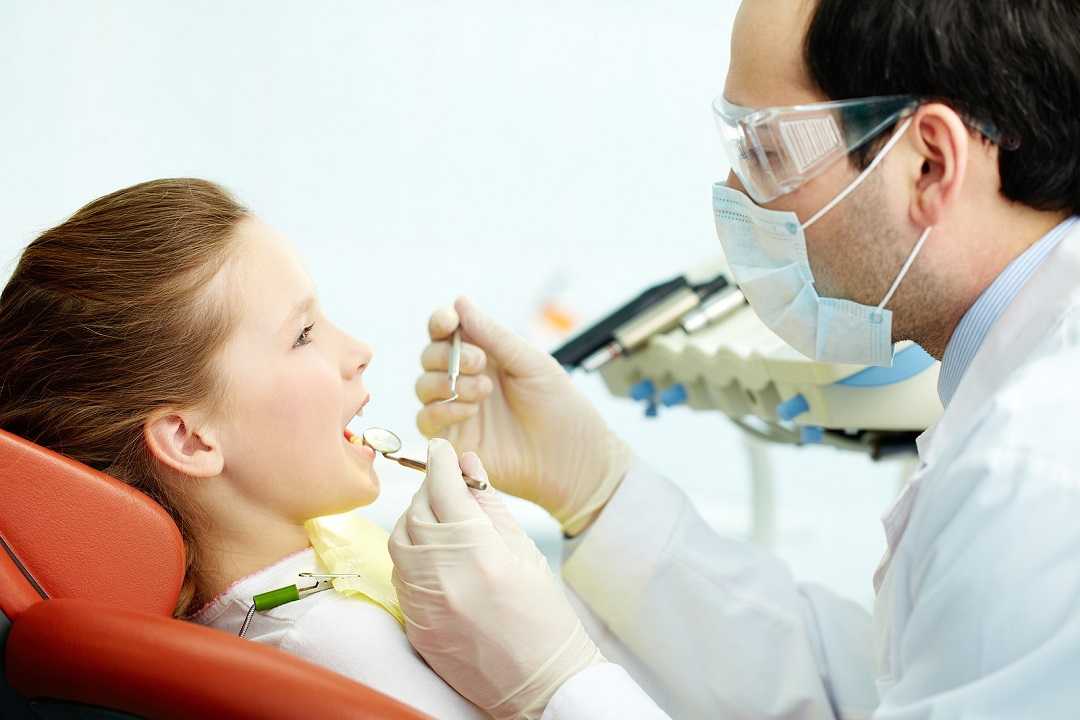
The initial stages of a cavity have no symptoms, so visiting your ADG dentist twice a year is essential to locate any concerns and impede further harm. Reducing your risk of tooth decay also helps you save a lot of money on costly dental procedures down the road.
Obviously if you are experiencing tooth pain or sensitivity, you should schedule a dental appointment as soon as possible.








You must be logged in to post a comment.